
A better grease interceptor: More grease in less space
- Sep 1, 2015
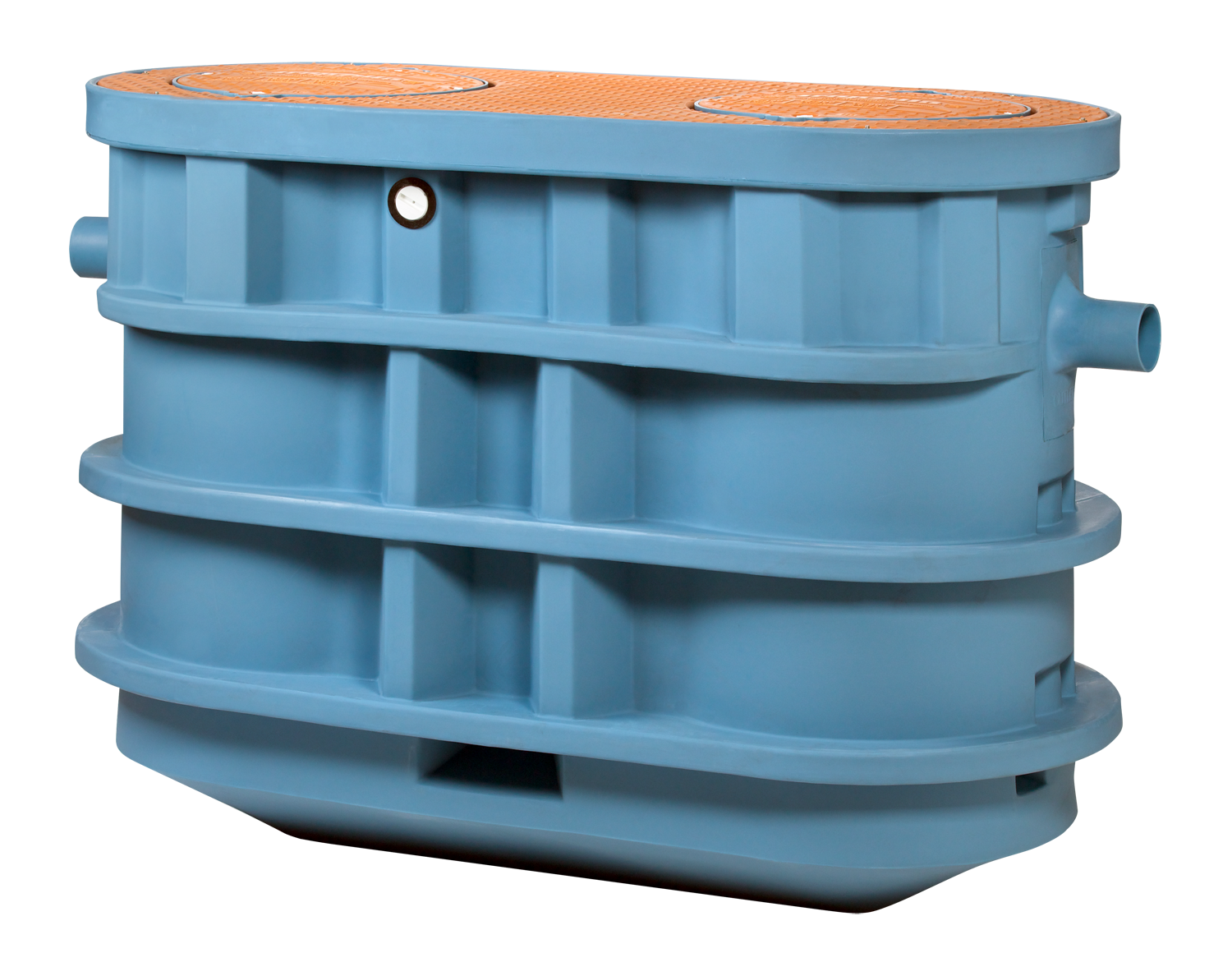 To understand the new TZ-1826 Trapzilla Grease Interceptor, consider two numbers: 1,826 and 11,000.
The first is how many pounds of grease the TZ-1826 can hold. The second is how much a 1,000-gallon concrete trap weighs — a concrete trap that would hold a similar amount of grease, but would require heavy machinery to install and take up three times as much space as the TZ-1826.
How is that possible? That’s what happens when you apply a quarter century of grease interceptor innovation and oil-water separation expertise to a problem that a growing number of commercial food service establishments face: Lots of grease, but not much space for a high-capacity grease trap.
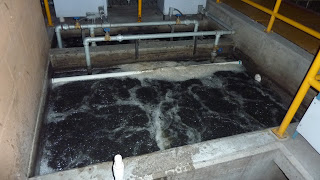 For the past few decades, scientists have experimented with using all kinds of waste, from animal to human, to produce methane gas via anaerobic digestion.
 For the past couple of decades, yellow grease, or used fryer oil, has been the go-to source for biodiesel production. Each gallon of yellow grease produces almost the same volume of biodiesel.
 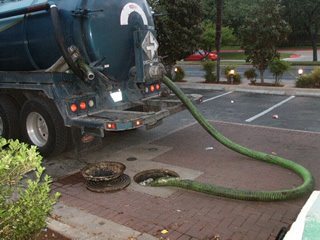 Business managers might feel as if their lives revolve around quarters … quarters of the year, that is. From taxes to financial reports and marketing initiatives, managers have a laundry list of tasks to accomplish four times a year. Food service establishment operators have yet one more responsibility to tackle at least once a quarter — the pumping of the grease trap.
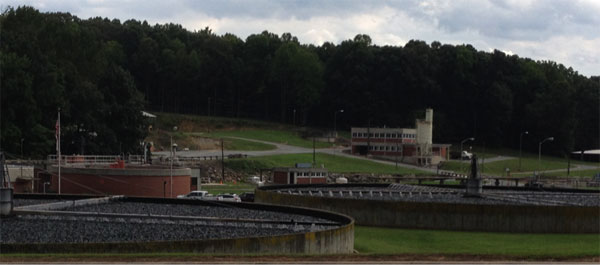 Like many wastewater treatment facilities, the
 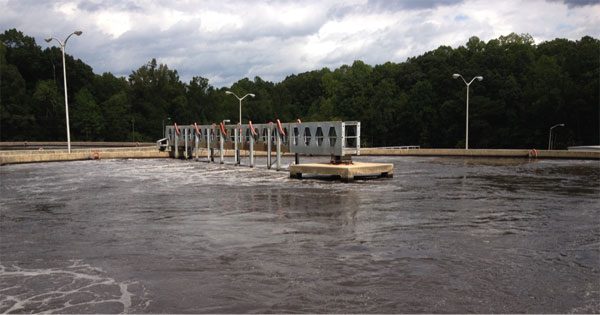 The Asheboro Wastewater Treatment Plant was built in 1962, during a different era. The Cuban Missile Crisis was right around the corner and America had just launched a space race to put the first man on the moon.
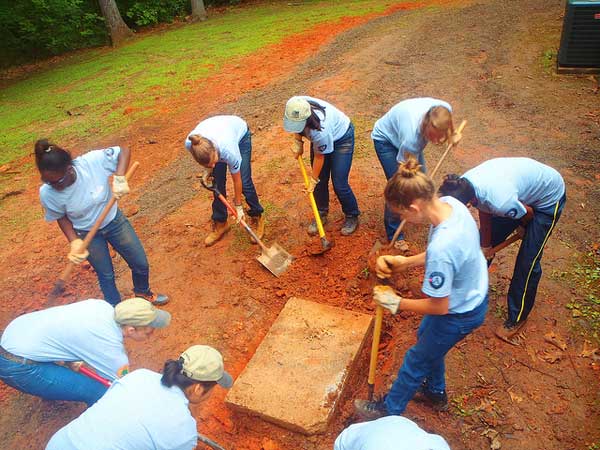 One size fits all might be an appropriate term for a rain poncho. Or a baseball hat fitted with an elastic band. Perhaps even a baggy pair of sweatpants with a drawstring. But, the term has no place in the world of grease pretreatment.
 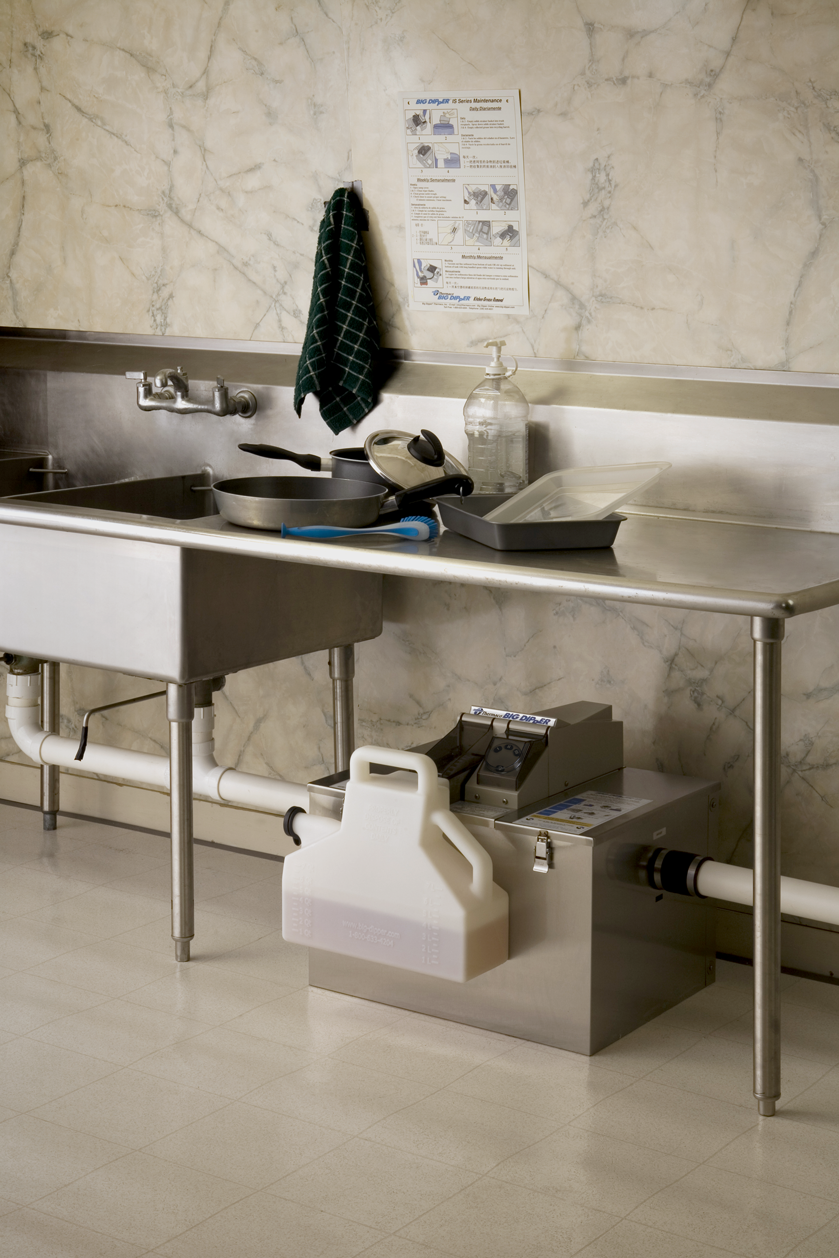 Organic and “natural” products and methods enjoy a glowing reputation in the marketplace. They’re able to command higher prices and for many people are a preferred choice when there is a choice.
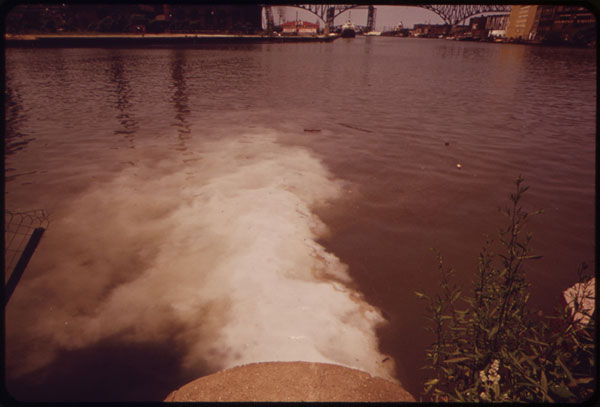 In 1969, the Cuyahoga River in Ohio caught fire.
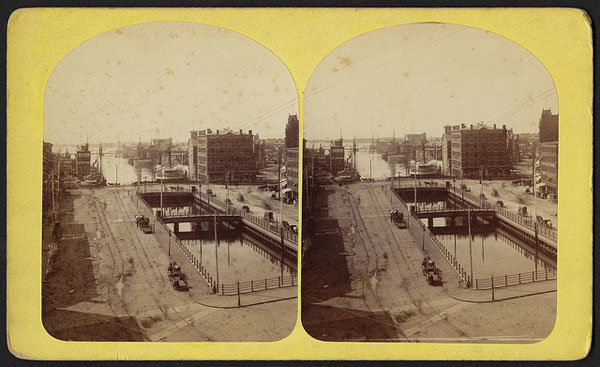 The damage that grease and other pollutants can inflict on the environment is well documented, but few cases illustrate this as well as Narragansett Bay in Rhode Island.