
Why point-source grease interceptors may be the ideal choice
- Jun 11, 2015
 If you own a restaurant or other business within the foodservice industry, chances are good you’re already using some sort of grease interceptor. If not, sooner or later you’ll likely face clogged pipes, back-ups into your kitchen and costly fines.
In the United States, there are three types of grease interceptors generally found within the foodservice industry: small passive hydromechanical grease interceptors (sometimes referred to as grease traps), larger grease interceptors made out of plastic, fiberglass, steel or concrete, and automatic grease removal devices. Though using any of these options is better than nothing, all grease traps are not created equally and, as technology improves, so do grease interceptors.
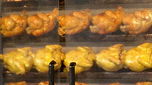 Commercial rotisserie ovens, which are popping up in more grocery stores as well as some restaurants and institutional settings, bring with them some unusual challenges when it comes to managing grease. Seasonal fluctuations in demand for rotisserie-cooked poultry pose some unusual challenges for grease removal, which a new Big Dipper feature resolves.
 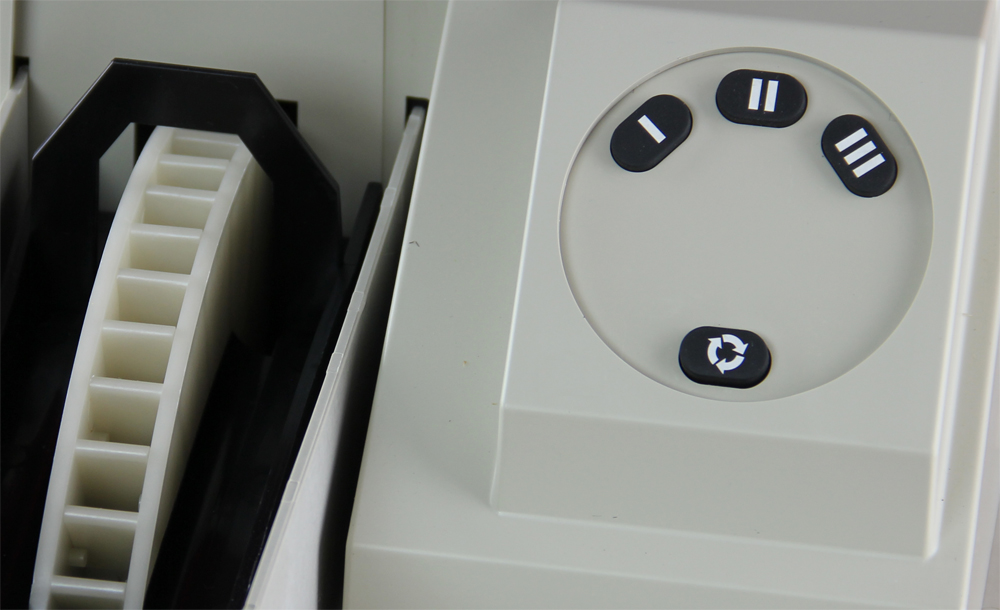 In the three decades since Thermaco developed the innovative Big Dipper grease interceptor, more than 33,000 units have been installed in commercial kitchens around the world.